Clean Air for Pets: Simple Tips for Easier Breathing
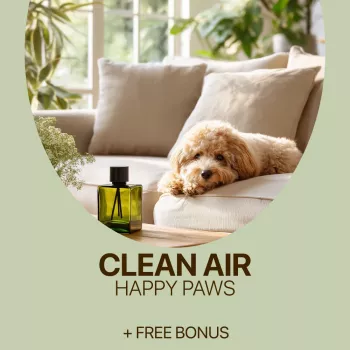
Clean Air, Happy Paws: Air Quality Tips That Help Pets Breathe Easier
Dogs and cats share the same indoor and outdoor air as everyone else, but they often feel air-quality problems faster. Smaller airways, time spent close to floors, and grooming habits can increase exposure to dust, smoke, and chemical residues. The good news: a few realistic changes—better filtration, smarter cleaning, and scent-free swaps—can make a noticeable difference in comfort year-round.
For a room-by-room plan, the digital guide Clean Air, Happy Paws: Essential Guide to Air Quality Tips for Pets walks through simple routines that are easy to maintain in busy homes.
Why air quality affects pets so quickly
- Smaller lungs and faster breathing rates: Many pets inhale more air relative to their size, which can increase exposure to irritants.
- Floor-level living: Heavier particles—dust, dander, tracked-in debris, and some residues—settle closer to where pets rest and play.
- Grooming turns airborne into “eaten” exposure: Particles that land on fur and paws can be ingested during licking.
- Higher-risk groups: Brachycephalic breeds (flat-faced), seniors, very young pets, and pets with asthma or heart/lung conditions can be more sensitive.
For baseline guidance on reducing indoor pollutants, the U.S. EPA’s overview of Indoor Air Quality is a helpful reference for common sources and control strategies.
Signs the air at home may be bothering a dog or cat
- Respiratory changes: coughing, sneezing, wheezing, noisy breathing, or rapid breathing at rest.
- Eye and nose irritation: watery or red eyes, runny nose, frequent pawing at the face.
- Skin and coat issues: increased itching, dandruff-like flakes, overgrooming, hot spots.
- Behavior and energy shifts: restlessness, hiding, reduced play, trouble sleeping, decreased appetite.
- When to call a veterinarian: labored breathing, blue/pale gums, repeated vomiting after smoke exposure, or symptoms that persist beyond 24–48 hours after reducing triggers.
If smoke is a factor, the CDC’s guidance on wildfire smoke and health can help you understand why fine particles are so irritating—even when you’re indoors.
Most common indoor air troublemakers (and where they hide)
- Particulate matter (PM2.5/PM10): tracked-in dirt, dust from fabrics and carpets, and wildfire smoke that sneaks in through gaps.
- Biological pollutants: pet dander, mold spores, dust mites—often worse in humid spaces and soft furnishings.
- VOCs (volatile organic compounds): some cleaners, air fresheners, scented candles, paint, new furniture, and certain litter deodorizers.
- Combustion byproducts: tobacco smoke, incense, wood-burning fireplaces, and gas stoves without adequate ventilation.
- Hidden hotspots: litter areas, basements, laundry rooms, near entryways, and rooms with poor airflow.
Daily and weekly habits that noticeably improve air
Ventilate strategically
Use short bursts of cross-ventilation when outdoor air is good. During smoke events or high-pollen days, keep windows closed and rely on filtration instead.
Clean without re-suspending dust
Vacuum with a HEPA filter when possible, then follow with a damp mop or microfiber cloth to trap fine particles rather than redistributing them.
Wash what holds dander
Wash pet bedding and soft toys weekly, and rotate blankets so there’s always a clean set ready. This is one of the fastest ways to reduce “pet smell” without fragrance.
Groom and wipe down
Control humidity
Air cleaners, filters, and ventilation: what actually helps
Quick improvements by trigger
| Problem | What it can look like | Fastest fixes | Longer-term upgrades |
|---|---|---|---|
| Wildfire smoke / haze | Coughing, watery eyes, lingering odors | Close windows; run HEPA air cleaner; reduce outdoor time | Seal drafts; upgrade HVAC filtration; create a “clean room” |
| Dust and dander | Sneezing, itchy skin, more shedding indoors | HEPA vacuum; wash bedding; wipe paws | Hard flooring in key areas; regular grooming; room-sized purifier |
| Mold / dampness | Musty smell, flare-ups in humid seasons | Dehumidify; clean visible growth safely; fix leaks | Improve ventilation; address water intrusion; replace soaked materials |
| VOCs / fragrances | Irritated eyes/nose; nausea; headaches in humans | Stop sprays/candles; switch to unscented products; ventilate | Low-VOC materials; store chemicals sealed and away from pet areas |
Seasonal and event-specific playbook (smoke, pollen, renovations)
Smoke events
Keep pets indoors and set up a single “clean air” room with closed windows and steady HEPA filtration. Skip vigorous play if breathing seems irritated. For emergency readiness tips, the AVMA’s disaster preparedness resources are a solid starting point.
High pollen days
Cleaning or renovation days
Travel and boarding
A simple at-home checklist for safer breathing
Extra help: a practical guide to building a cleaner-air routine for pets
If you want a step-by-step approach (without overcomplicating your day), Clean Air, Happy Paws: Essential Guide to Air Quality Tips for Pets helps you set up room-by-room habits, choose safer product swaps, and keep a weekly routine that’s easy to stick with—especially useful for multi-pet homes and seasonal smoke/pollen cycles.
If staying indoors more often means extra screen time for you, Preventing and Relieving Screen-Induced Eye Strain – Practical eBook Guide can help you stay comfortable while you manage a “clean room” setup and keep pets calm inside.
FAQ
Can air purifiers help with pet dander and odors?
Yes—true HEPA purifiers can capture airborne dander and other fine particles when the unit is properly sized and run consistently. Odor control usually requires activated carbon plus source control like washing bedding and keeping litter areas clean.
Is wildfire smoke dangerous for pets indoors?
It can be, because smoke particles can still enter through leaks and ventilation. Keep windows closed, run HEPA filtration, create a clean-air room, limit exertion, and contact a veterinarian promptly if breathing looks difficult.
What household products are most likely to irritate a pet’s lungs?
Aerosol sprays, strong fragrances, candles/incense, harsh cleaners, and some paints/solvents are common irritants. Switching to unscented options, improving ventilation, and keeping pets away during use can reduce risk.
















Leave a comment