Fresh Indoor Air, Naturally: Ventilate, Dehumidify, Deodorize
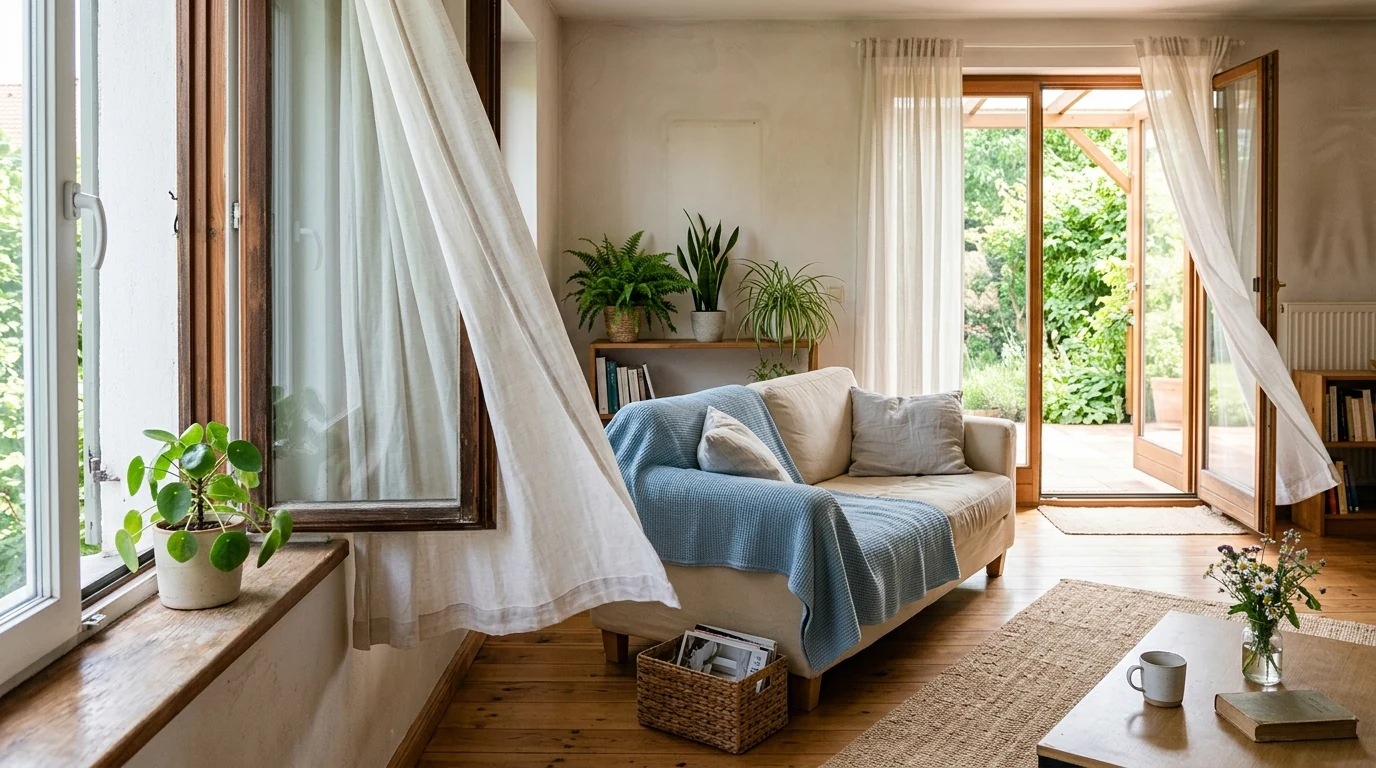
Breathe Easy, Naturally: Simple Habits That Make Indoor Air Feel Fresher
Indoor air can start to feel stale from everyday life—cooking, humidity, dust, pets, fragrances, and poor ventilation. The good news: a few natural, low-effort changes can noticeably improve how a space smells and feels, without relying on heavy sprays or harsh chemicals. The most reliable approach is simple: reduce what’s causing the “stuffy” feeling, move air strategically, and keep moisture under control.
What Makes Indoor Air Feel “Stuffy”
“Stuffy” indoor air usually isn’t one single problem. It’s a combination of trapped moisture, lingering odors, and tiny particles that build up faster than most people realize.
- Common culprits: trapped humidity, lingering cooking smells, dust, pet dander, and off-gassing from new furniture, rugs, paint, or finishes.
- Fresh isn’t only about fragrance: irritants and particulates can make a room feel heavy even when it doesn’t smell “bad.”
- High-humidity zones need a different plan: bathrooms, basements, and laundry areas often require moisture control first, while living spaces may benefit most from ventilation and routine cleaning.
For a deeper overview of indoor air factors and why they matter, the EPA’s introduction to indoor air quality is a helpful reference.
The Fastest Natural Reset: Ventilation You’ll Actually Do
If outdoor air quality is decent, the quickest reset is a short burst of cross-ventilation. Think of it like “flushing” the room rather than leaving windows cracked all day.
- Create a cross-breeze for 5–15 minutes (two windows on opposite sides, or a window plus a door).
- Use exhaust fans during and after showers or cooking to push moisture and odors out.
- If smoke or pollen is high, ventilate briefly during the best time of day and prioritize filtration and source control instead.
- Open interior doors periodically to prevent stagnant zones in closets, hallways, and spare rooms.
Quick ventilation plan by situation
| Situation | What to do | How long | Extra tip |
|---|---|---|---|
| After cooking | Run range hood/exhaust + crack a window | 10–30 min | Simmer a small pot of water with citrus peels afterward (no oils needed) |
| After shower | Run bathroom fan + wipe wet surfaces | 20–40 min | Hang towels to dry fully (not on a heap) |
| Stale bedroom | Open two points for cross airflow | 5–15 min | Change pillowcases more often than sheets for a faster “fresh” feel |
| Basement mustiness | Ventilate only if outdoor humidity is lower than inside | 5–10 min | Pair with a dehumidifier to keep moisture steady |
Control Moisture to Prevent Musty Odors
Musty air is often moisture-driven. Keeping humidity in a comfortable range (commonly around 30–50%) helps discourage mold growth and reduces that “damp towel” feeling that can linger in a home.
- Fix the small stuff: leaky sink traps, damp bath mats, wet shoes by the door, and overwatered houseplants can all add up.
- Use moisture-absorbing habits: squeegee shower walls, wipe sink areas, and don’t leave laundry sitting damp in the washer.
- Consider a dehumidifier if a room stays clammy; empty and clean it regularly so it doesn’t become its own odor source.
If you’re dealing with recurring dampness or visible spotting, the CDC’s mold guidance is a practical starting point for prevention and next steps.
Remove Odors at the Source (Instead of Covering Them Up)
Covering odors with strong fragrance can create a “perfume + problem” combo. A fresher home usually comes from removing the source, then letting the space breathe.
Natural Freshening Options That Work in Real Homes
If you recently brought in new furniture and the “new” smell feels intense, give it breathing room. For example, set up seating like the Modern Chic Cream Single Sofa Chair in a well-ventilated area at first, and keep airflow moving for the first few days to help reduce that boxed-in feel.
A Simple Weekly Routine for Fresher Indoor Air
If screen time keeps you indoors for long stretches, pairing air habits with comfort habits can make your space feel better overall. The digital guide Preventing and Relieving Screen-Induced Eye Strain – Practical eBook Guide can complement a “reset” routine—especially if your fresh-air break is also your reminder to look away from the screen.
A Step-by-Step Guide for Natural Freshening
If you want a structured approach with checklists and practical, natural strategies room-by-room, use the digital guide Breathe Easy, Naturally: Natural Ways to Freshen Indoor Air eBook Guide. It’s a straightforward way to build a consistent plan that combines ventilation, moisture control, and simple deodorizing methods—without overcomplicating the process.
And if you’re building routines across different parts of life (home, work, content creation), a checklist system can help you stay consistent; the TikTok Sprint Blueprint is another example of a step-by-step, weekly format that keeps habits from becoming mental clutter.
FAQ
What’s the most natural way to make a room smell fresh fast?
Open two points for a short cross-breeze reset when outdoor air is decent, then remove the odor source (trash, damp textiles, or a funky sink drain). If you want a light finishing touch, simmer water with citrus peels for a few minutes.
Does opening windows always improve indoor air?
No—if outdoor air quality is poor due to smoke, heavy pollution, or high pollen, limit window time and focus on removing indoor odor sources, controlling humidity, and using filtration.
Are air fresheners better or worse than natural options?
Many air fresheners mask odors instead of removing the cause and can add strong fragrances that bother sensitive people. Natural approaches work best when they prioritize ventilation, cleaning, and neutralizing odors at the source.















Leave a comment