Rental Repairs for Renters: Simple Fixes, Deposit Safe
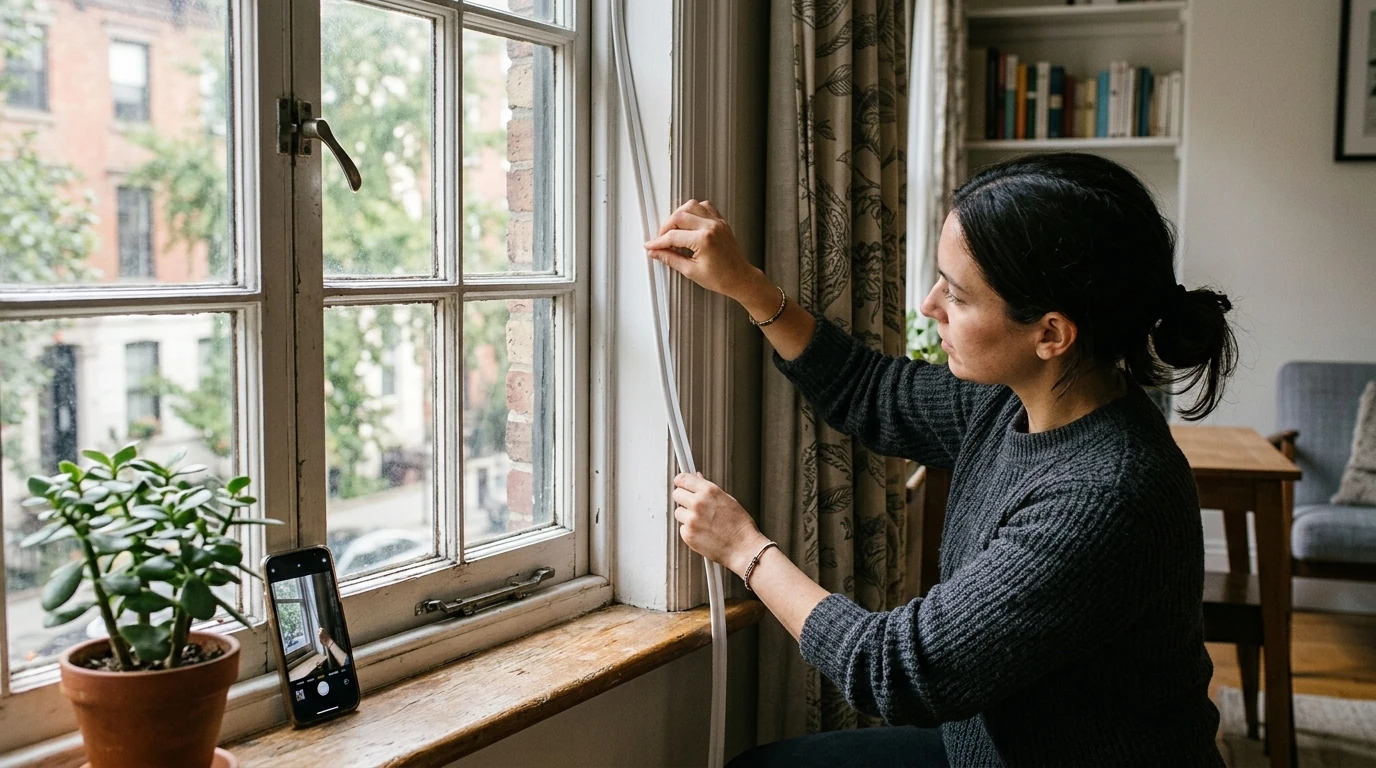
Rent Smart, Fix Little: Everyday Rental Repairs That Protect Your Home (and Your Deposit)
Renting comes with a balancing act: keep your space comfortable, handle small problems before they become expensive, and stay on the right side of your lease. Our team put together this guide-style approach for real rental life—quick fixes, clear boundaries on what you can responsibly do, and simple habits that document your unit’s condition so deposit deductions are less likely.
What “smart fixing” looks like in a rental
Smart fixing is less about becoming a weekend renovator and more about choosing low-risk, reversible maintenance that makes daily living smoother without altering the property.
- Keep it reversible: Favor improvements that come off cleanly and don’t permanently change walls, fixtures, wiring, or plumbing.
- Let the lease be your rulebook: Handle minor care tasks, report larger issues quickly, and keep written records of what you reported and when.
- Use a stoplight decision: Green (safe DIY), yellow (ask permission/confirm in writing), red (landlord or licensed pro).
- Prioritize prevention: Five minutes today can prevent water damage, mold, or pest problems later.
The common renter problems this guide helps you tackle
Most rental headaches aren’t dramatic—they’re annoying, distracting, and easy to postpone until they turn into bigger issues. This is the sweet spot for renter-friendly habits.
- Minor plumbing annoyances: Slow drains, running toilets, and “mystery drips”—plus knowing when to stop before you create damage.
- Comfort issues: Drafts, squeaks, sticking doors, and loose hardware that can often be improved without permanent changes.
- Wall and surface care: Small scuffs, tiny nail holes, and gentle cleaning habits that reduce move-out surprises.
- Basic troubleshooting: Simple, safe checks for everyday household hiccups, with clear guidance on when to escalate to maintenance.
- Clear communication: Reporting issues in a way that helps repairs happen faster and keeps responsibility documented.
A quick renter-friendly repair boundary guide
Before you touch a tool, use a quick checklist mindset: will the fix be removable, code-safe, and lease-compliant? If the issue involves water where you can’t see it, electrical panels/outlets, gas, ceilings, major appliances, or anything structural, pause and report it.
When permission is needed, keep it simple: one message describing the issue, your proposed solution, and a request for written approval. Also save receipts and take before/after photos for anything you purchase or improve—no matter how small.
Repair decision guide (green / yellow / red)
| Situation | Category | Best next step |
|---|---|---|
| Replace a showerhead or add a tension shower rod | Green | Proceed if it’s reversible; store original parts and reinstall at move-out. |
| Patch tiny nail holes from picture frames | Green | Use renter-safe spackle methods; photograph before/after and match finish as closely as possible. |
| Slow drain that improves with a hair catcher and gentle cleaning | Green | Start with prevention and mild methods; avoid harsh chemicals that can damage plumbing. |
| Installing shelves that require heavy drilling into studs | Yellow | Ask for written approval; confirm placement, hardware, and move-out expectations. |
| Painting walls, swapping light fixtures, changing cabinet hardware | Yellow | Get written permission; confirm whether the landlord will restore or expects you to restore. |
| Toilet leak at the base or water around the bathroom floor | Red | Report immediately; avoid DIY that could worsen water damage or flooring issues. |
| Burning smell from outlet, flickering lights, tripping breakers | Red | Stop using the circuit; contact landlord/emergency maintenance right away. |
| Suspected mold spreading, ceiling stains, or repeated moisture issues | Red | Document with photos and report promptly; request inspection and remediation steps. |
Lease know-how that prevents costly misunderstandings
Deposit protection habits that take minutes (and save arguments later)
For renter rights and general tenant resources, you can also reference HUD’s tenant resources. If moisture or potential mold is involved, the EPA’s mold basics are a solid starting point for understanding why fast reporting matters.
Why an ebook guide helps (especially when time is tight)
Product picks to keep your rental running smoothly
- Rent Smart, Fix Little | Practical Ebook for Home Maintenance for Renters | Simple Guide to Rental Repairs, Lease Know-How & Deposit Protection — built around quick fixes, repair boundaries, and deposit-friendly documentation habits.
- Everyday Pet Safety Kit for a Fully Pet-Proof Home – 4-in-1 Bundle of Guides, eBook, and Checklist — helpful for creating a safer setup when pets and rentals share tight spaces.
- Sleepytime Success Toolkit for Families: 3-in-1 Bundle for Bedtime Routine Success — for households where smoother evenings make everything else easier to manage.
FAQ
What repairs should renters avoid doing themselves?
Avoid high-risk work involving electrical systems, gas, water leaks that affect floors/walls/ceilings, suspected mold, structural damage, or anything requiring permits or licensed work. If it could create safety hazards or hidden damage, document it and report it promptly to stay lease-compliant.
How can renters reduce the chance of losing a security deposit?
Take dated move-in and move-out photos, keep all maintenance requests in writing, and save receipts for any renter-approved supplies or touch-ups. Clean methodically, restore any swapped parts, and request a pre-move-out walkthrough when possible so surprises are addressed early.
What should a renter write when reporting a maintenance issue?
Include what happened, when it started, what you’re seeing (and where), any safety concerns, what you’ve tried (if anything), and that you can share photos. Close by asking for the next step (inspect/repair/replace) and a reasonable timeframe for scheduling.
















Leave a comment