Alexa Energy-Saving Routines: Checklist to Cut Bills
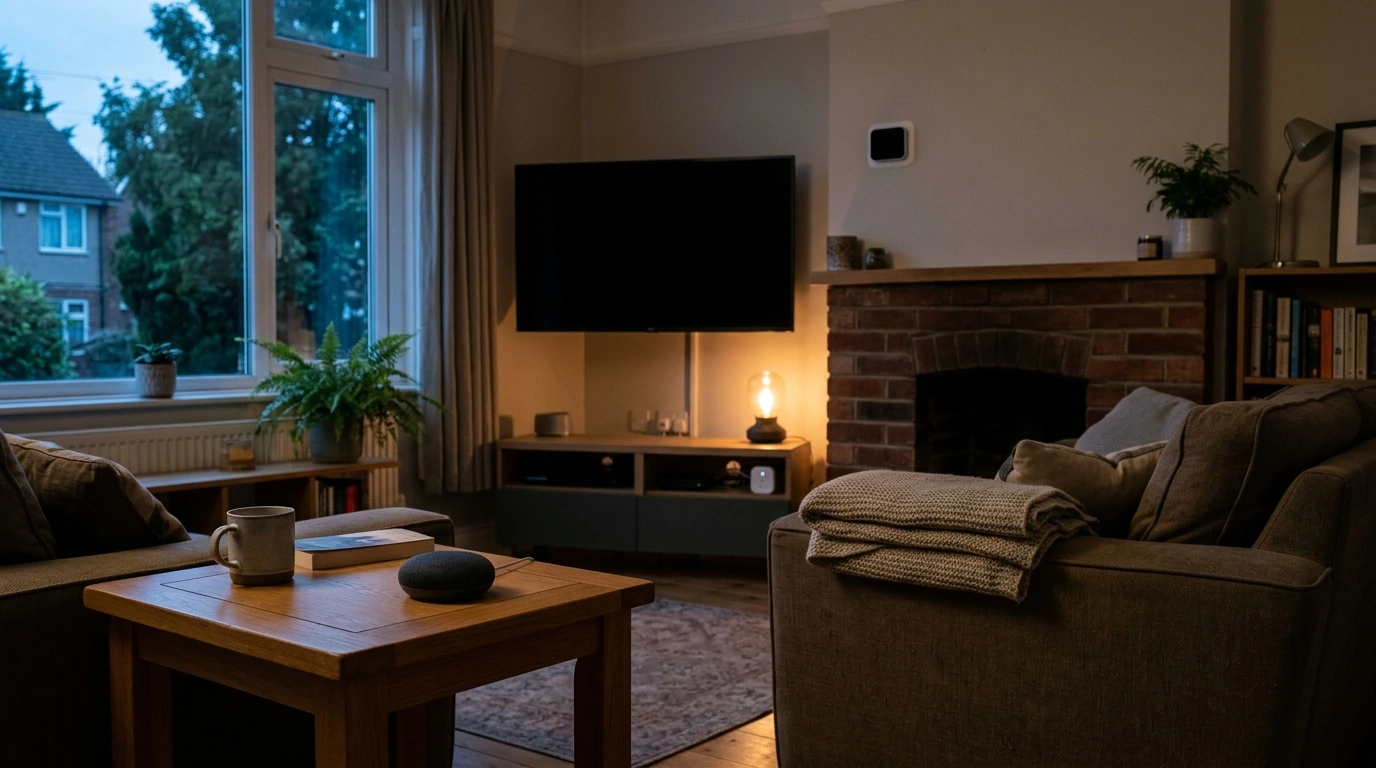
Alexa Routines That Save Energy (and Money): A Smart-Home Checklist for Lower Bills
Small habits add up on an electric bill—especially the “oops, I left that on” moments. Alexa routines turn those moments into set-it-and-forget-it automation: lights that shut off, thermostats that ease back, and devices that stop sipping power when nobody’s using them. Below, our team shares practical, copy-ready routine ideas plus a simple checklist so your smart-home setup can start paying you back. For more guidance, see Service/Supports Coordinator Training Series.
What makes an Alexa routine an “energy saver”
The routines that actually move the needle share a few traits: For further reading, see Smart Homes in India — The Complete Guide, Tools & Cost.
- They prevent waste automatically: target repeat offenders like lights, HVAC, entertainment zones, and chargers.
- They run on reliable triggers: time of day, a “Goodnight” phrase, geofencing (when everyone leaves), motion/door sensors, or Sunrise/Sunset.
- They change one or two things at a time: fewer actions makes troubleshooting easier—and routines more likely to stick.
- They fit real life: mirror your household rhythms (wake, leave, dinner, bedtime) instead of forcing brand-new habits.
- They use “soft landings”: dim before off, adjust temperature gradually, or announce a reminder before shutting down a room.
If you’re still getting comfortable building routines, Amazon’s official steps for creating and managing routines can help you find the right settings in the app: Amazon Alexa — Create and manage routines.
A fast-start setup: the 10-minute energy routine trio
If you do nothing else, start with three routines. They cover most “accidental” usage without making your home feel rigid.
Routine 1 — “Leaving Home”
- Turn off selected light groups (entryway, kitchen, living room).
- Set your thermostat to an energy-saving temperature (whatever is reasonable for your household).
- Power down entertainment smart plugs (TV, soundbar, console) to reduce standby draw.
- Pause/stop music across speakers.
Routine 2 — “Goodnight”
- Turn off main-floor/downstairs lights.
- Adjust the thermostat for sleeping comfort while avoiding unnecessary heating/cooling.
- Turn off TV-area plugs so overnight standby doesn’t add up.
- Optionally turn on one low-watt night light (instead of leaving multiple lights on).
Routine 3 — “Quiet Hours” (overnight)
- Disable noisy announcements overnight.
- If certain bulbs get triggered at night, cap their brightness or switch them to a dim setting.
- Shut off nonessential smart plugs at a set time (chargers, décor lighting, etc.).
Tip from our team: keep routines focused by zone (kitchen, living room, hallway). A whole-house shutdown sounds efficient, but it’s also how you end up turning something off while someone’s still awake.
Copy-ready routine ideas that reduce everyday waste
For broader guidance on where home energy commonly leaks away, the U.S. Department of Energy’s Energy Saver resources are a solid reference point: U.S. Department of Energy — Energy Saver.
Room-by-room checklist (so nothing gets missed)
| Area | Routine trigger | Actions to automate | Benefit |
|---|---|---|---|
| Whole home | Voice: “Leaving Home” or geofence | Turn off light groups; set thermostat; turn off nonessential smart plugs | Stops lights and devices running in an empty home |
| Whole home | Voice: “Goodnight” | Turn off main-floor lights; adjust thermostat; shut down entertainment plugs | Prevents overnight energy creep |
| Bathrooms | Motion + 5–10 min timeout | Turn lights off automatically | Cuts frequent “left on” waste |
| Living room | Time-based (e.g., 11:30 pm) | Turn off TV zone plugs; dim any remaining lamps | Eliminates late-night standby loads |
| Kitchen | After dinner time window | Turn off bright lights; switch to one low light | Keeps lighting intentional, not accidental |
| Bedrooms | 30 min before bedtime | Dim lights; lower volume; reduce distractions | Supports consistent routines and less overnight usage |
Common routine pitfalls (and how to fix them fast)
Download-and-do: the routine list that turns intention into savings
If you want a faster setup, our team put the most practical energy-focused routines into a ready-to-use format so you’re not reinventing the wheel room by room. You can grab our Alexa Routines That Save Energy (and Money) digital checklist and start with the three core routines, then expand into bathrooms, kitchen, and your entertainment zone.
And because energy savings often stick best when they’re paired with comfort habits, many families like combining “Goodnight” automation with a consistent wind-down plan. If that’s your household, our Sleepytime Success Toolkit for Families (routine-building support) helps you build a bedtime flow that’s easy to repeat—so you’re not relying on willpower to remember the last light switch.
FAQ
Do Alexa routines really reduce an electric bill?
They can, because routines reduce waste you’d otherwise forget about: lights left on, HVAC running at peak comfort settings in an empty home, and electronics sitting in standby. Results depend on your patterns and what you automate, so start with “Leaving Home,” “Goodnight,” and bathroom motion lighting for the most reliable wins.
What devices work best for energy-saving routines?
The highest-impact devices are usually a smart thermostat (if you have one), smart plugs for entertainment and chargers, and smart bulbs/switches in high-traffic rooms. Motion sensors in bathrooms/closets are especially effective, and grouping devices by room makes routines simpler and more predictable.
How do I avoid routines turning things off at the wrong time?
Keep routines zone-based, split weekday/weekend schedules, and use presence-based triggers where possible. Adding a brief delay or an announcement before shutoff also gives you time to cancel or adjust without frustration.
















Leave a comment