12L Air Fryer with Viewing Window for Family Meals
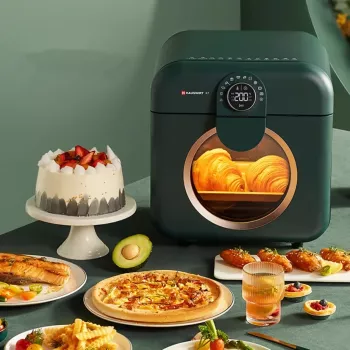
12L High-Capacity Air Fryer with Visualization Window – Healthier Cooking Made Easy
A spacious 12L air fryer with a clear viewing window makes it easier to cook family-size portions while still watching browning and crisping in real time. Instead of repeatedly opening the door (and losing heat), you can monitor progress at a glance—especially helpful when foods go from “almost perfect” to overdone in the final minutes. With fast hot-air circulation doing the heavy lifting, everyday favorites can come out crisp and satisfying with less oil and less mess, making weeknight dinners, snacks, and batch cooking feel more manageable.
Why a 12L Capacity Changes Everyday Cooking
Capacity isn’t just about cooking more—it’s about cooking smarter. A larger cavity helps reduce back-to-back batches, which means less waiting, fewer temperature swings, and a smoother flow when you’re feeding more than one person.
- Fits larger portions for families, meal prep, and entertaining—fewer consecutive rounds.
- Makes it easier to cook a full meal in one go (main + sides) when the basket/space allows separation.
- Handles bulk items like chicken pieces, fries, vegetables, or multiple servings of leftovers at once.
- Supports planning ahead: cook once, portion, and refrigerate/freeze for later.
Portion Planning Ideas for a 12L Air Fryer
| Cooking goal | What a larger cavity helps with | Practical tip |
|---|---|---|
| Family dinner | More pieces at once (e.g., chicken, fish fillets, mixed vegetables) | Avoid overcrowding; leave space for air flow so food browns evenly |
| Meal prep | Batch cooking multiple servings in one session | Cook in stages by food type; keep finished items warm while the next batch cooks |
| Entertaining | Quick turnaround for appetizers and snacks | Use the viewing window to time crisping without opening the door |
| Reheating leftovers | Multiple containers/portions in one cycle (if safe for your model’s accessories) | Reheat at a lower temperature first, then finish hotter for crisp edges |
Visualization Window: More Control, Less Guesswork
One of the most practical upgrades on a larger air fryer is a clear window that lets you check progress without interrupting cooking. That matters because each time the door opens, heat escapes and timing gets less predictable.
- Check color and texture mid-cook without losing heat by opening the door repeatedly.
- Reduce overcooking by stopping right when food hits your preferred browning level.
- Especially useful for foods that change quickly near the end (wings, pastries, breaded items).
- Encourages consistent results by adjusting cook time based on what you see, not just the timer.
For best results, use the window for quick checks and still turn/shake foods when needed—visual confirmation plus a mid-cook flip is a reliable combo for even crisping.
Healthier Cooking, Made Practical
Air frying is often used as a lighter alternative to deep frying because hot air can crisp the surface with little to no added oil. According to Harvard Health Publishing, air-frying can reduce calories and fat compared to deep frying, though overall nutrition still depends on the food you choose and how it’s prepared.
- Hot-air cooking can reduce the need for added oils while still achieving crisp surfaces.
- Great for lean proteins and vegetables—season well and use a light spray if needed for browning.
- Helps reduce deep-frying frequency; a useful swap for snacks and quick meals.
- Mindful choices still matter: portion size, breading, and processed foods can add sodium and calories even when air-fried.
Also, aim for a golden crisp rather than very dark browning. The FDA notes that acrylamide can form in certain foods during high-heat cooking; learn more at the FDA’s acrylamide resource.
What to Cook First: Easy Wins for a New Air Fryer
First recipes should be forgiving, fast, and satisfying—so you get a feel for timing, airflow, and how your favorite foods brown.
- Crispy vegetables: broccoli, Brussels sprouts, cauliflower, zucchini—finish with lemon or a yogurt-based dip.
- Protein basics: chicken thighs/wings, salmon, shrimp—pat dry for better browning.
- Frozen favorites: fries, nuggets, dumplings—shake/turn once for even crisping.
- Reheat: pizza slices, roasted vegetables, leftover fries—often better texture than microwaving.
- Batch snacks: toasted nuts, chickpeas, kale chips—watch closely near the end using the window.
For proteins, cook to safe internal temperatures and use a food thermometer when possible. The USDA safe temperature chart is a dependable reference.
Daily Use and Cleanup Tips
A little routine goes a long way toward consistent results and easy maintenance—especially with a larger-capacity unit that sees frequent use.
Featured Picks Available Now
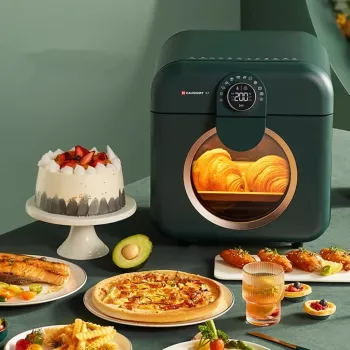
- 12L High-Capacity Air Fryer with Visualization Window – Healthier Cooking Made Easy
- Modern Chic Cream Single Sofa Chair
- Preventing and Relieving Screen-Induced Eye Strain – Practical eBook Guide | Digital Download
Is This 12L Air Fryer a Good Fit?
FAQ
Does air frying really use less oil than deep frying?
Often, yes—many foods can be cooked with little to no added oil because the hot-air circulation promotes surface browning. Results depend on the recipe, the food’s moisture, and how crisp you want the finish.
How is a visualization window useful during cooking?
It lets you check browning and crispness without repeatedly opening the door, which helps prevent heat loss and uneven cooking. It’s especially helpful near the end of a cycle when foods can darken quickly.
What’s the best way to get even crisping in a large-capacity air fryer?
Avoid overcrowding and use a single layer when possible so air can circulate around the food. Shaking or turning items mid-cook and patting foods dry before cooking also helps promote even browning.















Leave a comment