HEPA + Carbon Air Purifier: Dust, Odors, VOC Support
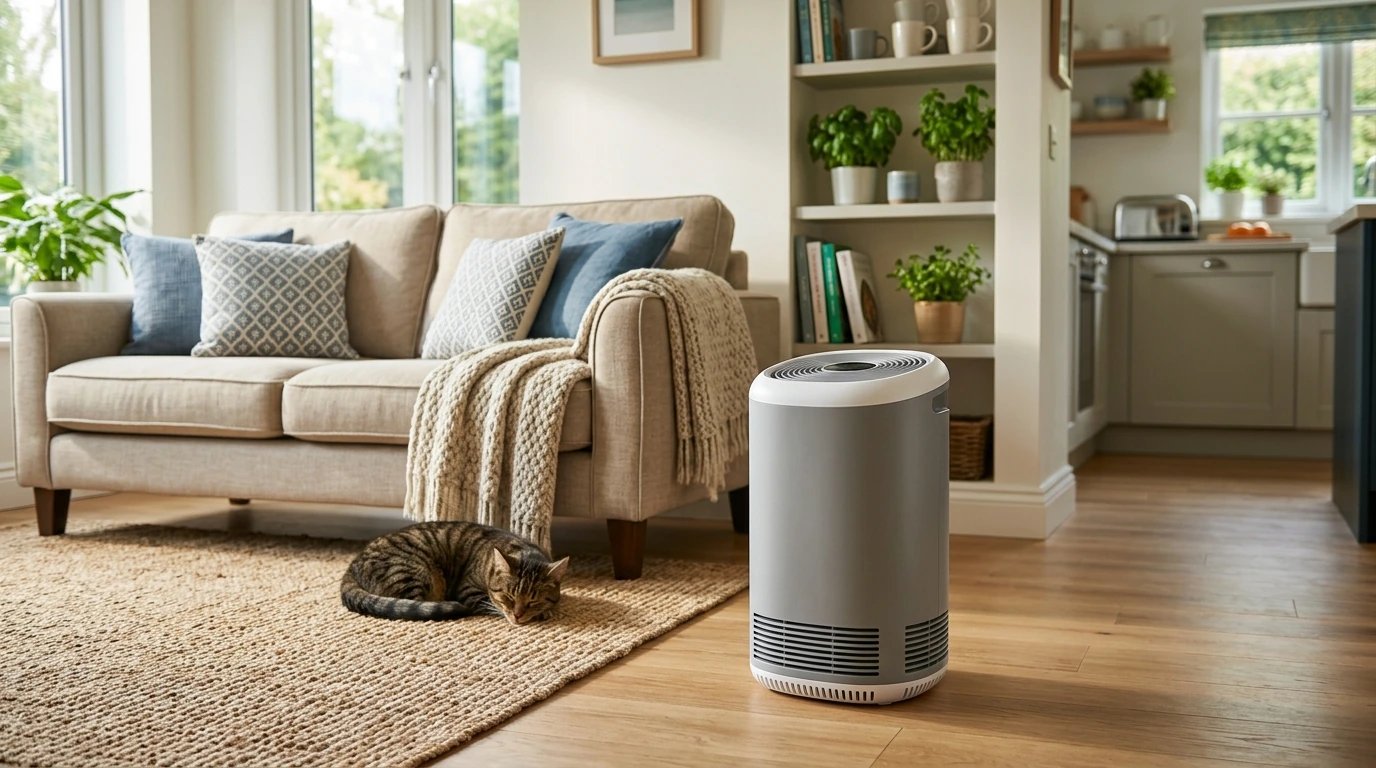
Advanced HEPA & Activated-Carbon Air Purifier for Cleaner, Calmer Indoor Air
Indoor air can collect the stuff that makes a home feel less comfortable—fine dust that settles quickly, lingering cooking odors, seasonal pollen that drifts in through doors and windows, and everyday VOCs from sprays or new materials. An air purifier earns its spot when it can handle both particles and smells without becoming a “set it and forget it” regret. Our Advanced HEPA & Activated-Carbon Air Purifier is built around a two-part approach: HEPA filtration for airborne particles and activated carbon for odor and gas reduction.
Use it to support cleaner breathing zones where you spend the most time—bedrooms, living rooms, nurseries, or home offices—so the air feels fresher and the space stays more comfortable day to day. For broader indoor-air basics (and what air cleaners can and can’t do), the U.S. EPA’s guidance is a solid reference: Guide to Air Cleaners in the Home.
What “Advanced HEPA + Activated Carbon” means in everyday use
“HEPA + carbon” sounds technical, but the day-to-day benefit is straightforward: you get support for both airborne particles and stubborn smells—two problems that often show up together in real homes.
- HEPA filtration is designed to capture airborne particles that can trigger sneezing or irritation, and that dusty “film” feeling—think pollen, pet dander, and fine particulate matter.
- Activated carbon is used to adsorb odors and certain gases, helping with cooking smells, pet odors, smoke-like lingering scents, and chemical-like “new” smells from household products.
- The combination matters because particle-only filtration may leave odors behind, while carbon-only solutions won’t tackle fine airborne particles as effectively.
- Placement is strategic: set it near the kitchen boundary for odor control, near sleeping areas for overnight comfort, or where pets spend time for dander support.
Where this purifier fits best at home
To get results you can actually feel, put the purifier in the room where you notice issues first—then keep it running consistently rather than treating it like an occasional “reset button.”
- Bedrooms: helps create a cleaner breathing zone overnight; keep doors and windows closed for steadier results.
- Living rooms: supports comfort where people gather, especially in homes with rugs, upholstery, or open-plan cooking areas.
- Home offices: helps reduce the “stale room” effect during long work sessions and pairs well with regular surface dusting.
- Pet spaces: useful near litter areas (odor support) and common pet lounging zones (airborne dander support).
- Seasonal transitions: helpful during pollen spikes or wildfire-smoke season when keeping windows closed becomes more common.
If you’re also improving airflow with outdoor air when conditions are good, the CDC’s ventilation overview is a helpful complement: Ventilation in Buildings.
A quick fit check before buying (and where it will make the biggest difference)
Before you commit, focus on the “why” (particles, odors, or both) and the “where” (one room you can keep relatively contained). That’s how you avoid buying a capable unit and using it in a way that blunts performance.
- Match the purifier to the problem: particles (dust/pollen/dander) benefit from HEPA; odors/VOCs benefit from carbon.
- Run time matters: consistent use typically beats occasional “blast” sessions, especially during high-allergen weeks.
- Airflow path matters: give the unit breathing room—avoid blocking intake/exhaust with furniture, curtains, or piles of laundry.
- Layering works: ventilation (when outdoor air is good), source control (lower-odor cleaners), and filtration together.
Room needs and what to prioritize
| Situation at home | What to prioritize | Placement tip |
|---|---|---|
| Seasonal pollen and dusty surfaces | HEPA-focused particle capture | Near the main seating/sleeping area, away from walls |
| Cooking odors that linger into the evening | Activated carbon odor reduction | Between kitchen and living area for better circulation |
| Pets on upholstery and carpets | HEPA for dander + carbon for odor support | Near pet lounging area; vacuum filters regularly |
| “New furniture/paint” smell | Activated carbon support for gases/odors | In the room with the source, doors mostly closed |
If you like comparing units by a standardized measure, AHAM’s overview of CADR is worth a quick look: Clean Air Delivery Rate (CADR) information.
Simple setup habits that improve results
Maintenance basics: keep filtration working, not guessing
Pairing ideas: a cleaner-air routine for pet-friendly homes
To tighten up the rest of your home-safety routine alongside cleaner air habits, our team often pairs purifier setups with the Everyday Pet Safety Kit for a Fully Pet-Proof Home – 4-in-1 Bundle of Guides, eBook, and Checklist.
Product pick from our shop
- Advanced HEPA & Activated-Carbon Air Purifier: a practical choice when you want both particle filtration and odor support in one unit.
- Everyday Pet Safety Kit for a Fully Pet-Proof Home – 4-in-1 Bundle of Guides, eBook, and Checklist: a helpful companion if pets are a big driver of dust, dander, and odor routines in your home.
FAQ
What does activated carbon do that a HEPA filter doesn’t?
HEPA filtration targets airborne particles like dust, pollen, and dander, while activated carbon is designed to adsorb odors and some gases/VOCs. Using both together helps when your home deals with “invisible” smell sources as well as particulate triggers.
Where should an air purifier be placed for the best results?
Place it in the room you use most and where you notice the problem most, with clear space around the intake and exhaust. Avoid tucking it behind furniture or in a tight corner, and keep doors closed when possible so it can cycle the room air more efficiently.
How often should filters be checked or replaced?
It depends on your home—pets, frequent cooking, smoke exposure, and pollen season can all shorten the useful life of filters. A simple reminder to check on a routine schedule helps, and returning odors or reduced airflow are common cues that maintenance is due.
















Leave a comment