First Solo Trip Planning: Calm Itinerary, Safety & Packing
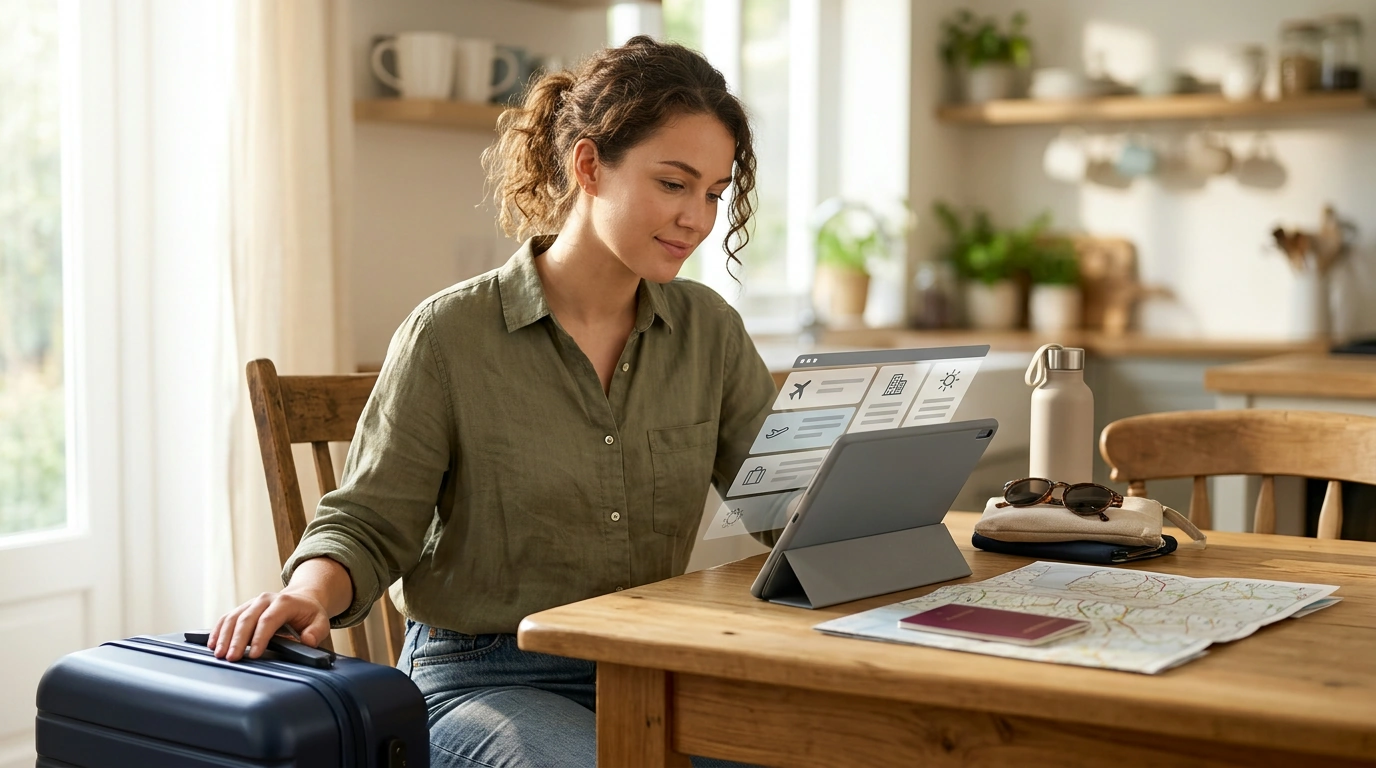
Your First Solo Trip Starts Here: A Calm, Confident Plan From “Maybe Someday” to Booked
Solo travel doesn’t require a fearless personality—just a clear plan, a few smart safety habits, and permission to start small. Our team built this guide-style roadmap to help you go from overwhelmed to ready without turning trip planning into a second job. You’ll find decision shortcuts, simple checklists, and beginner-friendly structures pulled straight from Your First Solo Trip Starts Here: A Guide for Confident Solo Travelers | Digital Download.
If you’re traveling internationally, it also helps to keep reliable health and advisory info bookmarked. Two solid starting points are the U.S. Department of State – International Travel and CDC – Travelers’ Health.
Start with the version of solo travel that actually fits your life
Your first solo trip is not the time to prove anything. It’s the time to choose a setup that makes it easier to feel steady, oriented, and capable.
- Pick “training wheels” if you need them: 1–3 nights, direct transport, and a destination with easy navigation.
- Choose your travel style first: slow cafés, museums, hiking, beaches—then match the destination. This cuts decision fatigue fast.
- Set your comfort baseline: preferred lodging type, how much alone time feels good, and what “too much” risk looks like for you.
- Define success for trip one: “I navigated confidently,” “I ate out alone,” or “I explored at my pace.”
Quick pick: trip style → beginner-friendly setup
| If you want… | Plan it like this | Why it builds confidence |
|---|---|---|
| A gentle reset | 2 nights, walkable neighborhood, daytime activities | Less logistics, more calm wins |
| A city adventure | Central stay, transit pass, 2 anchor sights/day | Clear structure without overbooking |
| Nature without stress | Guided day hike + cozy lodging | You’re solo, but not unsupported |
| A social boost | Small-group tour for one day + solo days | Built-in connection with freedom |
Use a simple planning system (so nerves don’t run the show)
Planning gets calmer when you stop trying to plan everything. The goal is a light structure that prevents “now what?” spirals while still leaving room for rest and surprise.
- Lock in the non-negotiables first: dates, arrival time, lodging, and how you’ll get from the airport/station.
- Build around anchors: choose 1–2 must-dos per day, then keep flexible space.
- Pre-decide your daily rhythm: morning explore, midday rest, early dinner. Fatigue is a confidence killer.
- Keep a tiny backup list: rainy-day museum, nearby café, indoor market—so weather doesn’t derail you.
A no-overwhelm solo itinerary template
| Time block | Default plan | Confidence fallback |
|---|---|---|
| Morning | One anchor activity | Short loop walk + coffee spot |
| Midday | Lunch + recharge | Grocery picnic + quiet place |
| Afternoon | Optional second anchor | Free museum/gallery or guided tour |
| Evening | Early dinner + wind-down | Takeout + journal + early night |
Safety, without fear: practical habits that make you feel steady
“Be safe” is vague. Systems are specific. When you have a few repeatable habits, you can stay present instead of scanning for worst-case scenarios.
- Share a simple itinerary: send lodging info, key transport times, and a daily check-in window to one trusted person.
- Use confidence cues in public: purposeful walking, phone away when possible, and know your next stop before you step out.
- Choose lodging for easy arrivals: late check-in options, clear directions, and reliable transport access.
- Have a nighttime “go home” Plan B: bookmarked ride options, saved lodging address, and a set budget for convenience.
- Split essentials: keep one backup card/cash separate so a lost wallet doesn’t become a crisis.
Confidence is built in tiny moments (not big leaps)
The fastest way to feel “like someone who can do this” is to collect small proof. You don’t need a dramatic leap—just a few reps.
- Plan one brave rep per day: order in a new place, ask for directions, take a short solo tour.
- Create a grounding transition routine: arrive → unpack → shower → short walk → easy meal. Familiar steps calm your nervous system.
- Use moving language: replace “What if I mess up?” with “What’s my next small step?”
- Track your wins: a two-sentence note each night turns quiet progress into proof you’re capable.
Pack light, pack smart: what matters on trip one
Make the first trip easier with a done-for-you guide
If you want a clearer path from “I should plan this” to “It’s booked,” our team made Your First Solo Trip Starts Here: A Guide for Confident Solo Travelers | Digital Download as a step-by-step companion. You can move through decisions in order (destination → logistics → safety → packing) instead of second-guessing every step.
And if you’re doing a lot of planning on a laptop or phone, pairing it with Preventing and Relieving Screen-Induced Eye Strain – Practical eBook Guide | Digital Download can help you stay consistent without burning out mid-research.
FAQ
What if anxiety hits once the trip is booked?
Nerves are normal—treat them like a signal to simplify, not a sign to cancel. Use an anchor-based itinerary, lean on a grounding arrival routine, and keep a short “emergency comfort” plan (early night, familiar meal, one guided activity, and a check-in with someone you trust).
Is it better to start with a weekend trip or a longer trip?
For most first-time solo travelers, 1–3 nights is the easiest confidence builder because you get quick proof you can do it. If you’re crossing major time zones or taking long-haul flights, adding a little extra recovery time can help you feel steadier.
How do I stay safe without feeling paranoid?
Use calm systems: share your itinerary, split essentials, and pre-plan how you’ll get back at night so you’re not deciding under pressure. Choose walkable areas, stay aware, and keep your phone put away when you can—practical habits beat fear-based thinking.















Leave a comment