Human Names for Pets: Why It’s Happening Now
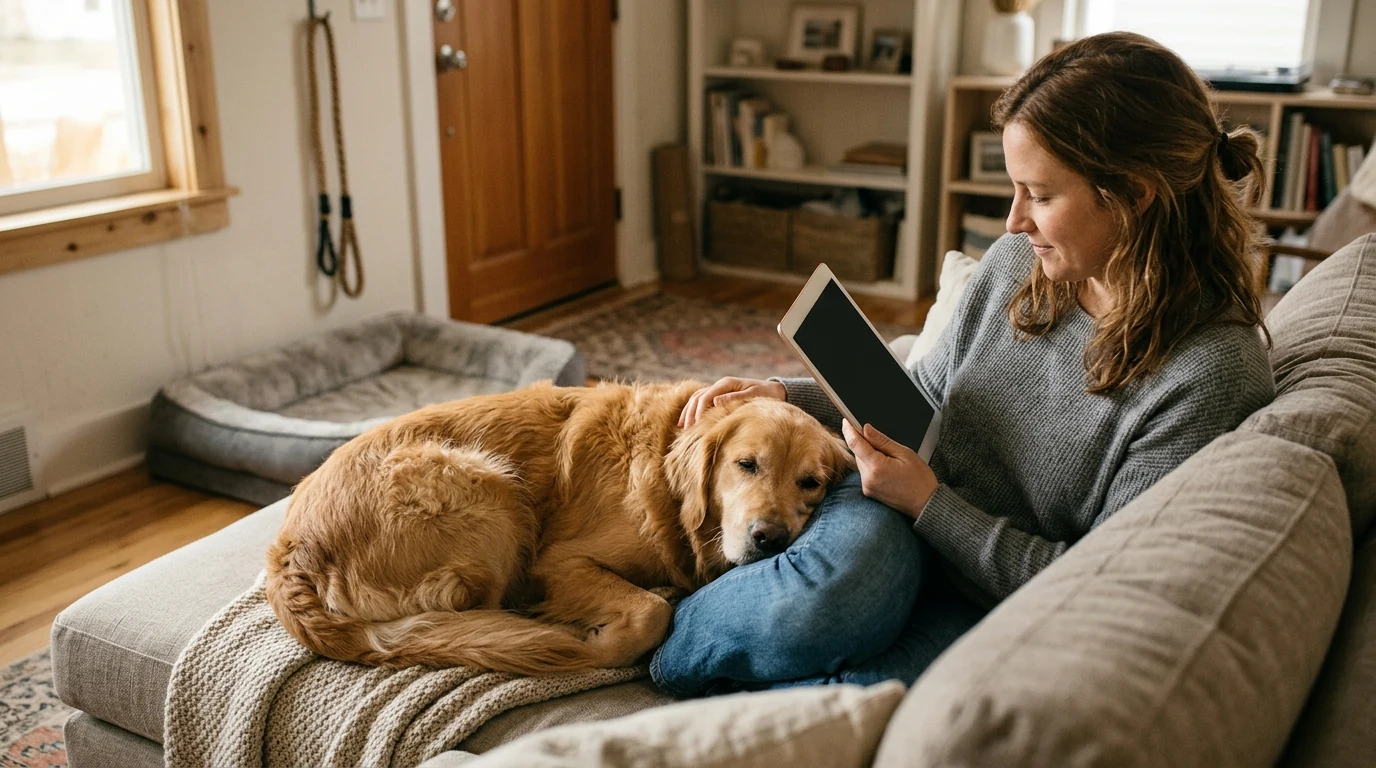
Why pets are getting people names (and what that says about us)
Charlie the cat. Olivia the golden retriever. Frank the hamster. Human names for pets have quietly become the new normal—and it isn’t just a cute phase. The shift sits at the intersection of family life, pop culture, identity, and the way pet parents talk about belonging. When you give your pet a “people name,” you’re often doing more than labeling them—you’re placing them inside your everyday world in a way that feels natural at the vet, at daycare, in group chats, and on holiday cards.
Our team put together Why Pets Are Getting People Names – A Fun, Insightful Ebook on the Human Names for Pets Trend to unpack what’s driving this boom, how naming styles cycle over time, and how to land on a name that fits the pet (and the household) you’re building together.
From “Buddy” to “Eleanor”: the naming shift hiding in plain sight
Pet naming used to lean heavily on classics like Buddy, Max, and Lucky, plus descriptive picks like Spot or Fluffy. Those names still exist, but now they share the spotlight with names that could appear on a classroom roster: Eleanor, Claire, Henry, Mabel, Theo, Olivia.
One reason is practicality. A human name is easy to say in any setting without it sounding like a nickname or a “pet-only” label. If you’ve ever introduced your dog to a new neighbor, checked in at a groomer, or heard a vet tech call names in a waiting room, you already know why “Meet my dog, Claire” simply works.
This mirrors broader pet humanization: pets aren’t just companions anymore; they’re woven into routines, celebrations, photos, and “family” language. Industry reporting from the American Pet Products Association (APPA) reflects how central pets have become in many homes, and naming tends to follow lifestyle.
Why human names feel so satisfying on pets
Human names do something immediate: they give your pet a “story” before anyone meets them. A cat named Harold or a corgi named Mabel signals a vibe—sometimes sweet, sometimes formal, sometimes funny—right away.
They also strengthen bonding. Using the same style of name you’d give a person can signal closeness, care, and long-term commitment. You may notice that once a pet has a “real” name, you talk about them differently: not as a pet you own, but as a family member you coordinate life around.
And human names are socially flexible. They fit at the dog park, in a workplace conversation, with a pet sitter, or on a boarding form. They can also communicate taste: vintage revivals, sleek modern picks, literary choices, or comedic “unexpectedly formal” names all broadcast a household aesthetic in a small, playful way.
Where these names come from: pop culture, baby-name cycles, and micro-trends
If you’ve noticed clusters of pets with similar names in your neighborhood or feed, you’re not imagining it. Pop culture accelerates adoption—characters from shows, celebrity names, and viral pet videos can spark mini-waves in weeks. Annual roundups like Rover’s Top Dog Names highlight how quickly new favorites can spread.
Baby-name cycles spill over, too. When a “grandparent” name returns for babies, it often becomes a pet favorite at the same time. You can even compare what’s rising in human naming via the U.S. Social Security Administration baby names data and then spot similar sounds showing up on dog tags: short classics, soft vowels, and vintage revivals.
Picking a human name that actually works day to day
Quick name test: does it fit the life you’ll actually live with your pet?
| Test | Try this | What to watch for |
|---|---|---|
| Recall test | Call the name three times at different volumes | Too many syllables can blur when shouted |
| Nickname test | Create a 1–2 syllable short form | If the nickname feels unrelated, consistency may suffer |
| Public test | Say it like a vet tech calling the waiting room | Embarrassment now becomes annoyance later |
| Household test | Pair it with common phrases (“No ___”, “Good ___”) | Names that sound like commands can confuse training |
| Longevity test | Picture the name on a tag in 10 years | Ultra-trendy picks can feel dated faster |
What our ebook delivers (without turning it into homework)
If you want the “why” behind the trend plus practical help choosing a name, our team created Why Pets Are Getting People Names – A Fun, Insightful Ebook on the Human Names for Pets Trend. You’ll get a fun, readable explanation of what’s driving the human-names-for-pets boom, how trends spread, and why certain names suddenly feel irresistible.
A small bonus for digital readers: make reading easier on your eyes
For a practical companion to your growing download library, we also keep Preventing and Relieving Screen-Induced Eye Strain – Practical eBook Guide in stock.
FAQ
Are human names for pets a recent trend?
Pets have had people names for a long time, but the frequency and mainstream acceptance have surged in recent years. Cultural shifts like pet humanization, social media sharing, and changing “name aesthetics” have made human names feel normal—and often preferred.
Do pets respond better to certain kinds of names?
Most pets respond best to names that are clear, distinct, and used consistently. One to two syllables are often easiest for training, but longer names can work well when you use a steady nickname and avoid names that sound like common commands.
What if the chosen name matches someone in the family or friend group?
You can adjust with a nickname or a title to reduce confusion (for example, “Aunt Claire” vs. “Claire” at home), or switch to a close variant that keeps the same feel. If everyone is comfortable and training stays clear, it’s also fine to keep the shared name.















Leave a comment