Soil pH Made Simple: Test, Adjust, and Match Plants
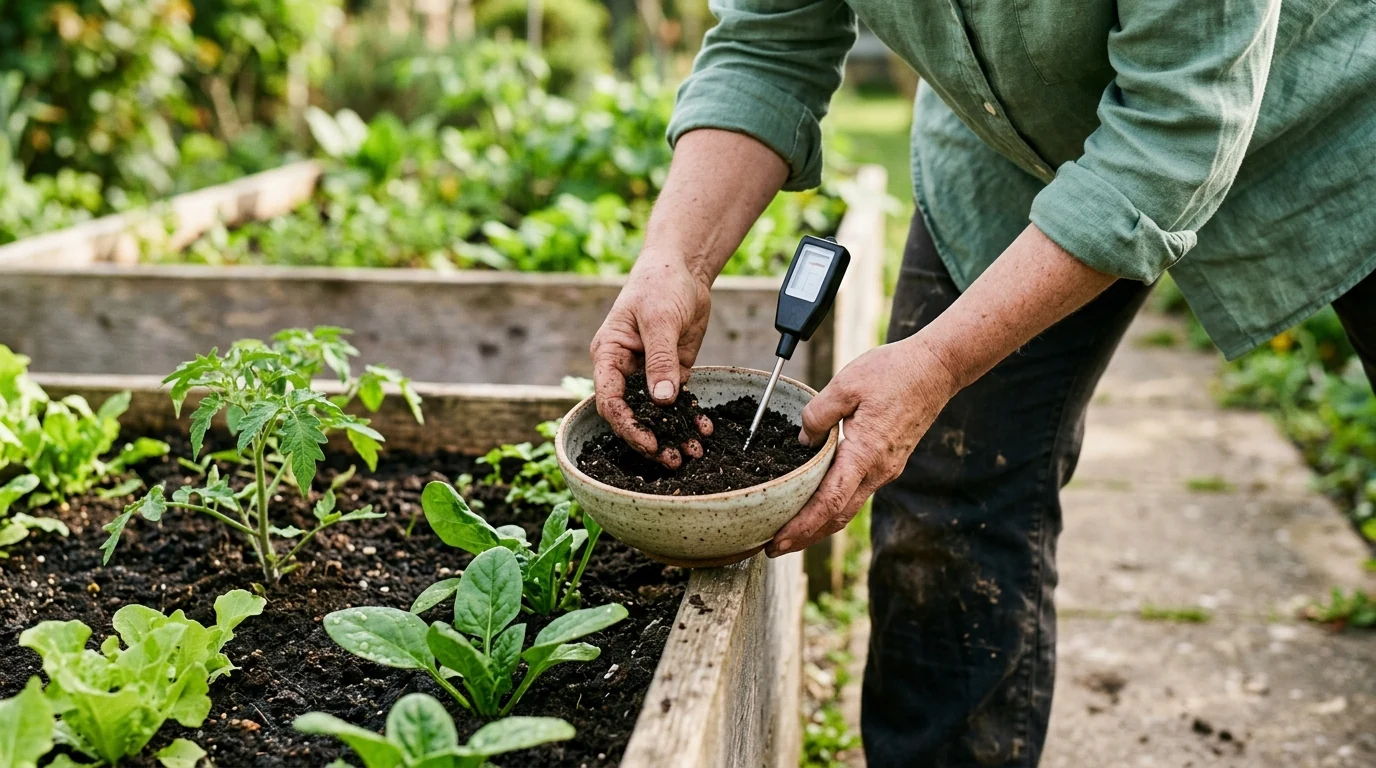
Soil pH Secrets for Thriving Gardens: Testing, Tweaking, and Plant Matching Without the Guesswork
Healthy plants start with what’s happening underground. Soil pH quietly controls how well roots can access key nutrients—and when it’s off, gardens can look “hungry” even when you’ve fertilized. Our team put this guide together to help you test pH without overwhelm, make calm, targeted changes when they’re truly needed, and match plants to the soil you already have so your results get more predictable each season.
Why soil pH changes everything (even when the soil looks fine)
Soil can look dark, crumbly, and “rich” and still frustrate you if the pH is working against your plants. pH influences nutrient availability—meaning nutrients can be present in the soil but difficult for roots to absorb. That’s why pH issues can show up as classic “mystery problems” like yellowing leaves, weak growth, poor flowering/fruiting, or stubborn deficiencies that don’t improve after feeding.
pH also affects the soil ecosystem. Many beneficial microbes and natural nutrient-cycling processes function best in certain pH ranges, so the long game—soil resilience, steady plant performance, and less reliance on constant fixes—often improves when pH is stable.
One more reason testing matters: a single yard can have multiple pH zones. Raised beds, containers, and areas near concrete (walkways, foundations) can test differently. Spot-checking saves you from applying a “whole-yard” solution to a “one-bed” problem.
A quick pH refresher: what the numbers mean for gardeners
pH runs from 0–14: below 7 is acidic, above 7 is alkaline, and 7 is neutral. Most garden plants do well in slightly acidic to neutral soil, but there are important exceptions—think acid-loving blueberries or plants that tolerate more alkaline conditions. Instead of chasing a single “perfect” number, aim for a stable range that fits what you’re growing (and what you want to grow next).
| Soil pH range | How it’s described | What gardeners often notice | Best next step |
|---|---|---|---|
| Below 5.5 | Strongly acidic | Stunted growth; possible calcium/magnesium issues; some nutrients become overly available while others lock up | Confirm with a test, then consider gradual adjustment and plant choices that tolerate acidity |
| 5.5–6.5 | Slightly acidic | Many vegetables and ornamentals perform well; nutrients are broadly available | Maintain with steady organic matter and avoid dramatic amendments without retesting |
| 6.5–7.5 | Near neutral to slightly alkaline | Some plants thrive; acid-lovers may yellow or struggle | Select plants that tolerate this range or adjust carefully if growing acid-loving crops |
| Above 7.5 | Alkaline | Iron/manganese availability can drop; yellowing between leaf veins may appear | Test again, focus on plant matching, and use targeted amendments only after confirming pH trend |
Easy soil testing: a simple routine that avoids overcorrecting
Testing is where most gardens become easier—because you stop guessing. Timing helps: avoid testing immediately after adding lime, sulfur, or heavy compost-based amendments. Give the soil time to respond, then measure the direction of change rather than reacting to a temporary swing.
For a reliable reading, sample the soil correctly. Take small scoops from several spots within the same bed, mix them, and test the blended sample. You’re measuring soil pH (not fertilizer strength or overall “soil quality”), so it’s normal for a bed to have decent texture and still land outside your target range.
Plant matching: grow what fits the soil (and adjust only when it’s worth it)
Gentle pH adjustments: slow changes, fewer surprises
Put it all together: the printable checklist workflow that keeps gardens on track
What’s included in the Soil pH Secrets printable set
If you want a simple system you can reuse season after season, our team made Soil pH Secrets for Thriving Gardens – Printable Checklist for Understanding Soil pH Impact on Garden Plants, Easy Soil Testing & Plant Matching Guide to be quick to fill out and easy to reference when you’re planning, planting, or troubleshooting.
Other in-stock resources you can keep with your checklists
- Hashtags to Go Viral on TikTok: The Ultimate Checklist for Boosting Your Reach
- Everyday Pet Safety Kit for a Fully Pet-Proof Home – 4-in-1 Bundle of Guides, eBook, and Checklist
- Sleepytime Success Toolkit for Families: 3-in-1 Bundle for Bedtime Routine Success
Trusted references for soil pH basics
- USDA NRCS – Soil Quality: Soil pH
- University of Minnesota Extension – Soil pH and liming
- Cornell Cooperative Extension – Local offices (soil pH and nutrient availability resources)
FAQ
How often should soil pH be tested in a home garden?
Test at least once per growing season or before major planting, and always retest after you amend with lime or sulfur once enough time has passed for changes to take effect. Different beds and containers can drift differently, so treat each growing area as its own “zone” with its own schedule.
Can the wrong soil pH look like a fertilizer problem?
Yes—when pH is off, nutrients can “lock out,” meaning they’re present but plants can’t absorb them efficiently. Yellowing (including between leaf veins) and weak growth can mimic a lack of fertilizer, so testing pH first helps you avoid piling on nutrients that won’t fix the underlying issue.
Is it better to change soil pH or choose plants that fit the existing pH?
If your pH is stable and only slightly outside an ideal target, choosing compatible plants is often the fastest, lowest-maintenance option. Adjust pH when you’re committed to pH-sensitive plants or specific outcomes, and group plants with similar preferences together so you’re not fighting your own garden beds.














Leave a comment