Sustainable Beauty Checklist: Easy Low-Waste Habits
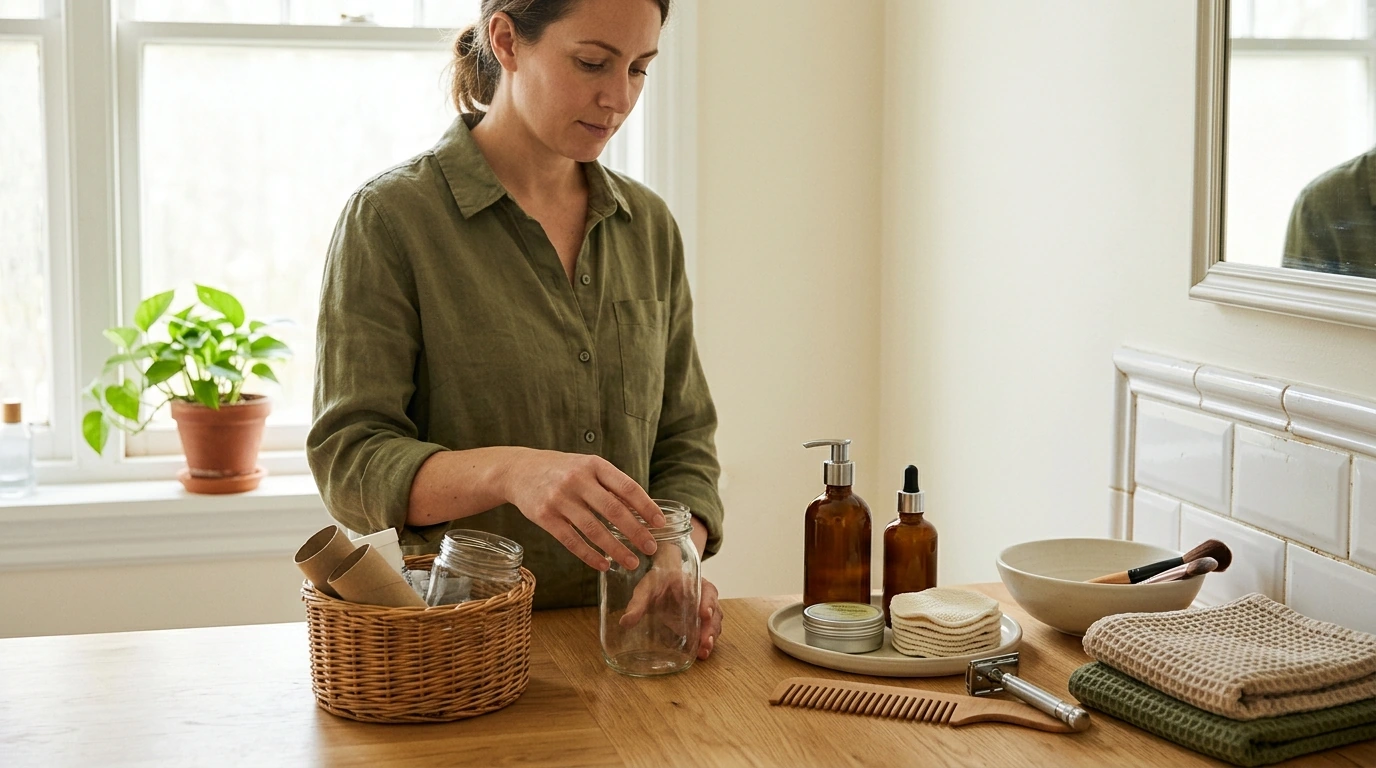
Small Changes, Big Impact at Home: A Sustainable Beauty Habits Checklist for Eco-Friendly Routines
Sustainable beauty doesn’t require an all-or-nothing overhaul. A handful of practical swaps—used consistently—can reduce waste, save water and energy, and simplify routines without sacrificing results. The easiest approach is a “use what you have, replace what runs out” mindset, paired with small daily habits that don’t add friction. If you like having something concrete to follow, the Small Changes Big Impact at Home: Sustainable Beauty Habits Checklist for Eco-Friendly Routines turns these ideas into an at-a-glance routine you can keep on your phone or print. For more guidance, see [PDF] 8.5″ x 11″ – USC Dornsife – University of Southern California.
Start With a “Use-It-Up” Reset
The most sustainable product is often the one already in the cabinet. Before buying replacements, do a quick reset that prevents half-used bottles and abandoned impulse buys from becoming waste. For further reading, see Go Green: 10 Tips for a More Sustainable Lifestyle.
Finish what’s already owned
Commit to using up open products first—even if they’re not “perfect.” This reduces landfill waste and helps you learn what actually works for your skin and hair.
Create a “first-to-finish” basket
Place your next daily essentials in one spot: cleanser, moisturizer, SPF, and one hair product. Make that basket the default until items are empty.
Declutter responsibly
Set aside unopened items for donation only where accepted, and rinse and recycle packaging when local programs allow it. For practical guidance on reducing and reusing at home, the EPA’s reducing and reusing basics is a solid reference.
Track what you repurchase
Keep a simple note: what gets repurchased, what expires, and what never gets used. This one habit can cut future clutter (and spending) more than any “perfect” eco swap.
The Sustainable Beauty Habits Checklist (Daily, Weekly, Monthly)
Think of this as a maintenance routine for your routine. These small actions add up quickly without forcing a big lifestyle change.
Daily habits
- Choose one multitask product (for example, a balm that works for lips and dry patches) to reduce overall product count.
- Take shorter showers and turn the water off while shaving, cleansing, or masking.
- Use the right amount; over-dispensing increases waste and can irritate skin, leading to more product hopping.
Weekly habits
- Wash reusables (cloth rounds, towels, hair wraps) in a small load, using cold water when possible.
- Clean tools efficiently by using a basin instead of running water for brushes and sponges.
Monthly habits
- Do a packaging audit: note what you finished and what packaging piled up.
- Plan one low-waste replacement based on what actually ran out, not what’s trending.
At-Home Checklist: Small Habit, Immediate Benefit, How to Make It Stick
| Habit swap | What it improves | Make it easier |
|---|---|---|
| Use up current products before replacing | Less landfill waste, fewer impulse buys | Put backups out of sight until empties are done |
| Turn off water during cleansing/shaving | Less water use, lower utility cost | Use a timer or play a short song |
| Switch to refillable or concentrated formats when restocking | Less packaging, fewer shipments | Choose one category to convert at a time |
| Wash reusables in a small mesh bag | Less lost items, longer lifespan | Keep a dedicated laundry pouch in the bathroom |
| Buy fewer, better multitask items | Less clutter and waste | Set a “one in, one out” rule |
Low-Waste Product & Packaging Swaps That Don’t Disrupt Your Routine
When it’s time to restock, focus on swaps that won’t derail results. The goal is consistency—products that you’ll actually finish.
- Prioritize high-impact categories first: cleansers, body wash, shampoo/conditioner, deodorant, and moisturizer tend to be frequent purchases with lots of packaging.
- Choose packaging that can be recycled locally rather than relying on vague “eco” claims. Municipal rules vary, so “recyclable” on a label doesn’t always mean recyclable in practice.
- Consider refills and concentrates to reduce packaging and shipping weight. If you decant concentrates, store safely and label clearly.
- Prefer durable tools (metal razors, refillable compacts, washable rounds) over disposable replacements.
Single-use plastic reduction is a big lever at home; the UN Environment Programme’s overview of plastics is a useful reminder of why small upstream choices matter.
Water, Energy, and Laundry: The Hidden Footprint of Beauty at Home
If you’re building healthier screen-time habits alongside your self-care routines, the Preventing and Relieving Screen-Induced Eye Strain – Practical eBook Guide can pair well with a “less heat, less water, more recovery” approach at home.
Ingredient and Claim Reality Check
Make It Stick: A 2-Week Habit Plan
Days 1–3
Days 4–7
Week 2
End of week 2
Printable Checklist for Eco-Friendly Beauty Routines
If you want a structured version you can reuse month after month, the Sustainable Beauty Habits Checklist for Eco-Friendly Routines is designed to keep changes realistic: start with one category, then expand.
FAQ
What’s the most sustainable way to start changing a beauty routine?
Use up what you already own first, then replace only what runs out. Change one category at a time (like cleanser or shampoo) so you can confirm it fits your skin or hair needs and you’ll actually finish it.
Are refillable and “zero-waste” products always better?
Not always—what matters is whether the packaging works with local recycling and whether you’ll use the product consistently. A durable, refillable option can be great when refills are easy to get and you like the formula; otherwise, a simple product you’ll finish may be the lower-waste choice.
How can a routine be eco-friendly without spending more?
Reduce the number of products, use the correct amount, and cut water and energy use (shorter showers, cooler laundry, less heat styling). Buying only replacements—rather than trend-driven extras—often saves the most money while reducing waste.
















Leave a comment