Cheap vs Expensive Sports Gear: What’s Worth Paying For
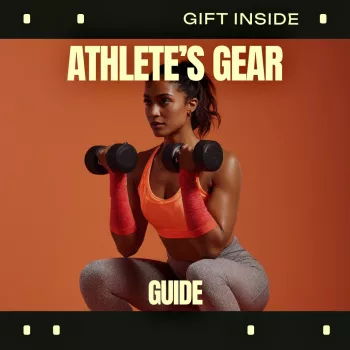
The Smart Athlete’s Gear Guide: When to Go Cheap, When to Pay More, and How to Stop Overbuying
Buying sports gear shouldn’t feel like gambling between “bargain” and “best.” Our goal is simple: help you spend where it protects performance, safety, and comfort—and save where upgrades are mostly branding. Below is a practical decision framework for cheap vs. expensive sport gear so your purchases stay intentional, your kit stays reliable, and you stop overpaying for athlete gear that won’t move the needle.
The three questions that decide whether a premium upgrade is worth it
When you’re stuck between the budget option and the premium version, our team uses three questions to make the call quickly:
1) Does it reduce injury risk or protect a high-impact area?
If the gear’s job is to protect you—especially head, joints, teeth, shins, or eyes—prioritize certified, well-fitting protective equipment over flashy add-ons. Look for legitimate standards and a secure fit system that doesn’t loosen during movement. For standards references, you can review NOCSAE and ASTM International.
2) Does it change the quality of your training reps?
Gear that improves consistency can be worth paying for: better traction for cutting, a more stable platform for lifting, a heart-rate sensor that doesn’t drop out, or a glove grip that stays predictable. If the upgrade improves repeatability, you’re not just buying “nice”—you’re buying better training data and cleaner reps.
3) Is it a wear-item that will be replaced soon anyway?
Consumables and fast-wear items (basic apparel, many accessories, some shoe categories depending on volume) often deliver the best value in mid-tier pricing. If you’ll replace it within a season, avoid paying for lifetime-level materials you won’t benefit from.
If the benefit is “nice to have” instead of “need to perform,” set a cap and buy the simplest option that meets your requirements. And avoid paying twice: choose items that match your current training volume, then upgrade only after the baseline option becomes the limiting factor.
Cheap vs expensive: where to save, where to spend (quick decision matrix)
| Gear category | Save with budget options when… | Spend more when… | What to check before buying |
|---|---|---|---|
| Training apparel | You’re building a rotation and need basics that wash well | You need specific compression/support, weather protection, or chafe control for long sessions | Seams, fabric weight, return policy |
| Footwear | You already know your fit and rotate shoes appropriately | You’re injury-prone, need sport-specific stability, or rely on traction for cutting/terrain | Fit, outsole pattern, intended surface, replacement schedule |
| Protective gear (helmets, pads, guards) | Never—only “save” by choosing a simpler model that still meets standards | You need certified protection, better adjustability, or higher coverage for contact/impact | Certification marks, sizing/adjustment range, coverage areas |
| Wearables (HR strap/watch) | You mainly need basic timing, distance, or casual tracking | You train by heart rate/power, need reliable sensors, or structured workouts | Sensor type, battery life, app export, warranty |
| Bags, bottles, accessories | Function is straightforward and failure is low-risk | You need durability for daily travel or specific organization (team, commute, tournaments) | Zippers, seams, capacity, leakproof rating |
The hidden costs that make “cheap” more expensive
A low sticker price can be a real win—until hidden costs show up. Here’s where “cheap” quietly drains your budget and your training quality:
- Fit problems: Blisters, hotspots, restricted movement, and distraction add up fast—especially in shoes, gloves, helmets, and sports bras.
- Durability failures: Broken zippers, cracked plastic, delaminated soles, and stretched elastic lead to rapid replacements.
- Performance inconsistency: Low-quality grip, traction, or sensor accuracy can derail workouts and progress tracking.
- Return friction: If returns are difficult or sizing is unreliable, the “deal” becomes a sunk cost.
- Time cost: Constantly researching replacements and troubleshooting failures is its own expense.
Where budget gear usually wins (and how to shop it well)
Budget gear is often the smartest choice when the item is low-risk, easy to replace, and doesn’t change your training quality much.
Where paying more can be the smarter move
A simple buying workflow to avoid overpaying
Use the decision guide to shop faster and buy with confidence
If you want a repeatable system (not guesswork), our team put it all into The Smart Athlete’s Gear Guide | Ebook on Cheap vs Expensive Sport Gear. It’s built for real-life shopping decisions: which features matter, which claims to ignore, and how to spot upgrades that won’t pay you back.
If you also create training content, you may want a separate tool for reach and posting consistency: Hashtags to Go Viral on TikTok: The Ultimate Checklist for Boosting Your Reach.
FAQ
How can athletes tell if expensive gear is actually better?
Use a quick checklist: verified safety standards/certifications where relevant, fit and adjustability that stay stable in motion, durability that matches your weekly volume, and a measurable performance benefit like better traction, stability, or sensor accuracy. If the upgrade doesn’t remove a real limitation you’re currently hitting, it’s usually not worth the premium.
What sports gear should never be purchased based on price alone?
Protective equipment should never be chosen purely by price; you need legitimate certification marks and a secure, correct fit. For many athletes, sport-specific footwear is also in this category because stability and traction can directly affect injury risk.
Is it smarter to buy one premium item or several mid-range items?
For apparel and basics, a rotation of several mid-range items often beats one premium piece because you spread wear and always have a ready option. For protection and precision tools, one high-quality, reliable item can be the better investment than multiple inconsistent alternatives.















Leave a comment