Improve Indoor Air Quality: Ventilation, Filters, Humidity
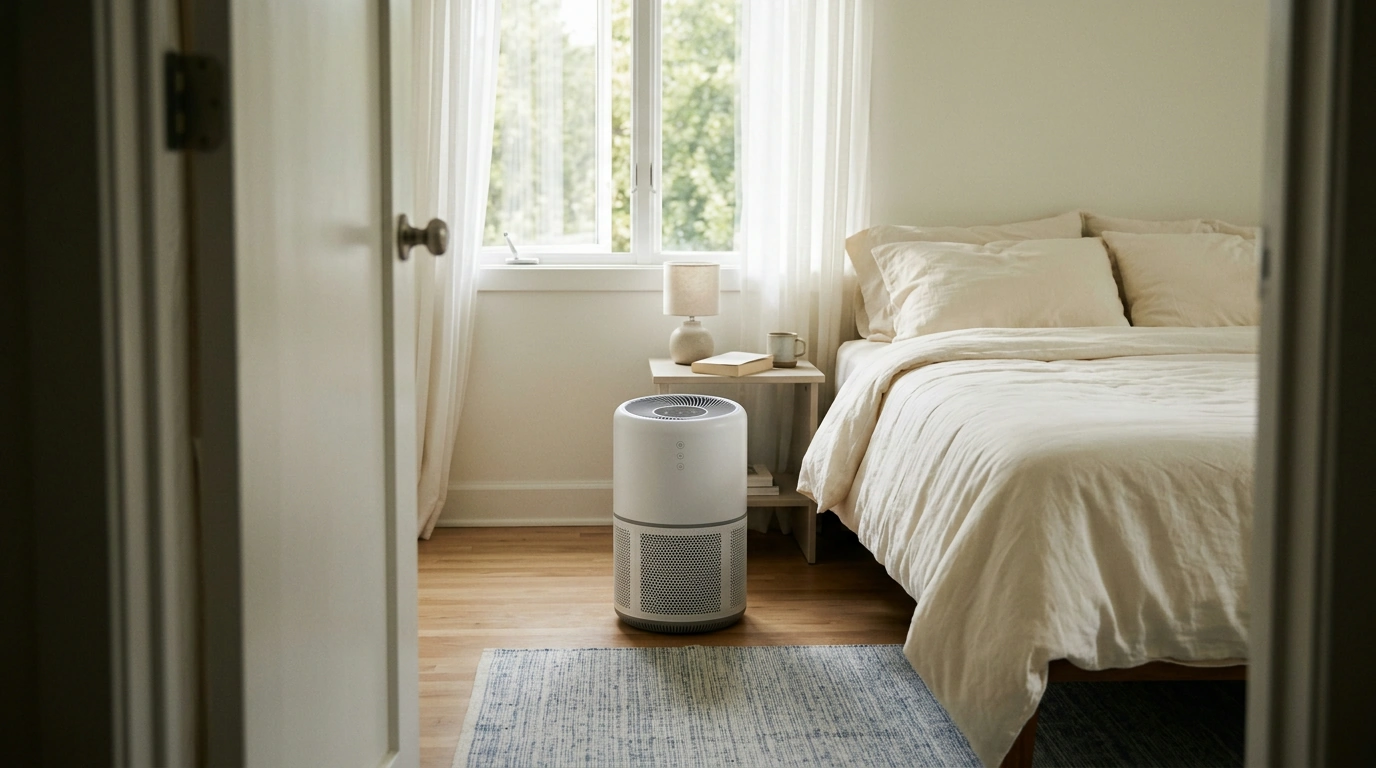
Breathe Better Indoors, Live Better: A Practical Guide to Improving Indoor Air Quality
Indoor air affects your sleep, focus, comfort, and even how your home feels day to day. Our team built this practical roadmap around four “levers” you can actually control—pollutants, moisture, ventilation, and filtration—so small changes add up fast. Start with the rooms you use most, fix the biggest culprit first, and then lock in simple routines that keep the air feeling fresh long-term.
What “good indoor air” really means
Instead of chasing a perfect number, aim for consistent, breathable air across seasons and everyday routines like cooking, showering, and cleaning. We recommend thinking in four levers:
- Reduce sources: limit what gets into the air (smoke, fragrances, harsh chemicals, tracked-in dirt).
- Control moisture: prevent what grows (mold, mildew, dust mites).
- Ventilate: swap stale air for fresh at the right moments.
- Filter: capture what remains (fine particles, allergens, some smoke).
Common troublemakers include fine particles (dust, smoke, cooking aerosols), allergens (pet dander, pollen), gases/VOCs (cleaners, fragrances, new furniture), and biologicals (mold, dust mites). Your home also gives “comfort signals”—lingering odors, condensation, stuffy rooms, frequent dust buildup, or irritated eyes/throat usually means at least one lever needs attention.
Quick symptom-to-fix map
| What you notice | Likely cause | Fastest first move |
|---|---|---|
| Stuffy bedroom in the morning | Low ventilation + accumulated CO2/odors | Add a short ventilation window or run HVAC fan with a clean filter |
| Condensation on windows/bathroom musty smell | High humidity and poor exhaust | Use a bathroom fan during/after showers; consider a dehumidifier if persistent |
| Cooking smell lingers for hours | Particles and gases from cooking not exhausted | Use a vented range hood; open a window briefly while cooking |
| Dust returns quickly on surfaces | Resuspension + inadequate filtration/cleaning cycle | Upgrade HVAC/portable filtration and switch to damp-dusting + HEPA vacuuming |
| Allergy flare-ups indoors | Allergens (pollen/dander/dust mites) accumulating | Create a clean-sleep zone (bedroom), wash bedding hot, add HEPA filtration |
Room-by-room reset: the biggest wins first
Bedroom: build a clean-sleep zone
If you do one room, start here. Keep clutter low (fewer dust traps), wash bedding regularly, and prioritize steady filtration where you sleep. Even a few consistent habits—weekly bedding, a high-filtration vacuum, and a no-shoes rule—can noticeably reduce overnight stuffiness.
Kitchen: treat cooking like a “pollution event”
Cooking is one of the top particle generators in most homes. Use exhaust ventilation whenever possible, keep pans from smoking, and do a short air-out after heavy cooking. If you’re searing, frying, or using high heat, the difference between “fan off” and “fan on + brief fresh-air exchange” is often immediate.
Bathroom/laundry: moisture control prevents mold
Run exhaust fans longer than feels necessary—aim to clear steam, not just smell. Fix small leaks quickly, don’t leave wet towels piled, and keep airflow moving in tight spaces like closets or water-prone corners.
Living areas + entryway: stop pollutants at the door
In shared spaces, place filtration where people gather (not hidden behind furniture) and keep a steady cleaning rhythm to manage dust and dander. At the entryway, treat it like a buffer: shoes off, a real debris-trapping mat, and quick storage so outdoor pollutants don’t travel deep into the home.
Ventilation without losing comfort
Leaving windows cracked all day can backfire during high pollen, wildfire smoke, or extreme temperatures. Short, intentional air exchanges are usually more effective:
For background reading on indoor pollutants and why ventilation matters, the U.S. EPA’s Indoor Air Quality overview is a solid starting point.
Filtration that matches real life (not guesswork)
Moisture control: the invisible foundation
If you’re dealing with recurring musty smells or visible growth, the CDC’s mold basics is a practical reference for next steps and prevention.
Low-tox habits that reduce VOCs and odors
After bringing in new furniture or rugs, ventilate briefly and keep airflow moving for the first few days to reduce lingering off-gassing. For broader health-based guidance, the WHO indoor air quality guidelines provide helpful context.
A simple weekly routine that keeps the air feeling fresh
Put it all together with a step-by-step plan
If you want a structured, printable approach with clear actions and checkpoints, we recommend our guide: Breathe Better Indoors, Live Better: A Practical Guide to Improving Indoor Air Quality.
Two related bundles many customers pair with an air-quality reset are Sleepytime Success Toolkit for Families: 3-in-1 Bundle for Bedtime Routine Success (to lock in calmer nights once the bedroom feels better) and Everyday Pet Safety Kit for a Fully Pet-Proof Home – 4-in-1 Bundle of Guides, eBook, and Checklist (helpful if pets add extra dander, tracked-in debris, or cleaning-product needs).
FAQ
What are the fastest ways to improve indoor air quality today?
Start with source control and ventilation at the exact moments pollution is created—run kitchen/bath exhaust during cooking and showering, and do short, intentional air exchanges. Then add or optimize filtration in your bedroom and main living space, and commit to a simple weekly damp-dust and high-filtration vacuum routine.
Do air purifiers help with odors and VOCs?
HEPA air purifiers are best for particles like dust, pollen, dander, and smoke, not most gases. Some units with activated carbon can reduce certain odors and VOCs, but the most reliable approach is removing the source and using targeted ventilation when odors are created.
What humidity level helps prevent mold indoors?
A practical target is about 30%–50% relative humidity, keeping sustained levels below about 50%–60% when possible. Because homes and climates vary, using a hygrometer plus consistent bathroom/kitchen exhaust is the simplest way to keep moisture from drifting into mold-friendly territory.
















Leave a comment