Postpartum Exercise Safety Checklist: Start Smart, Progress
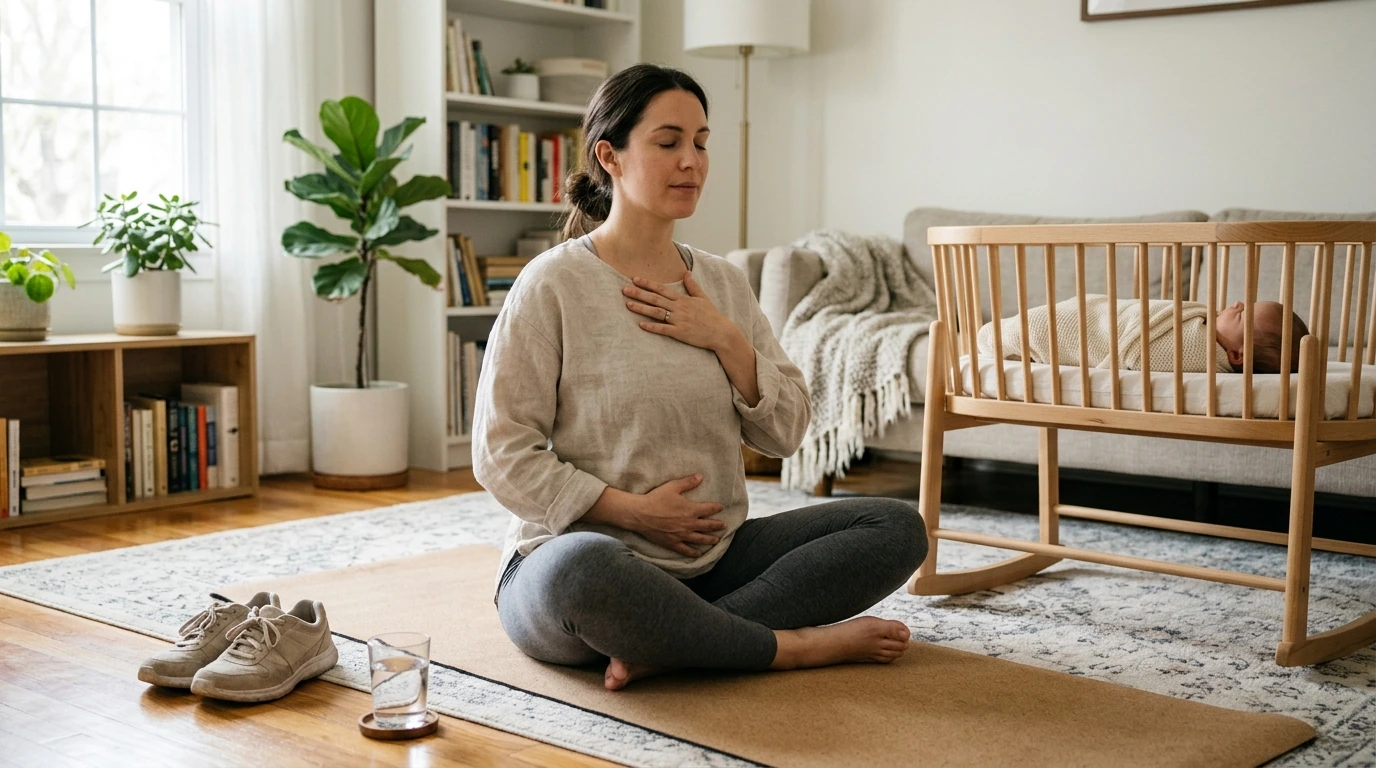
Your Postpartum Exercise Safety Checklist: A Calm, Clear Plan for Moving Again
Postpartum exercise is less about “bouncing back” and more about rebuilding—safely, steadily, and with confidence. Our team put this checklist-style guide together for real-life new-mom energy levels and real-life healing timelines, with simple decision points: when to start, what to watch for, and how to progress without setting recovery back. Keep it handy before every workout—especially on the days when sleep was short and motivation is high, but your body is still healing.
Start with the non-negotiables: clearance, healing, and your baseline
Before you “earn” intensity, you want clarity. Many people get the green light at a postpartum visit, but earlier movement can still be appropriate depending on delivery type, symptoms, and any complications. If you’re unsure, use medical guidance as your anchor—especially after a C-section, significant tearing, high blood pressure issues, or ongoing symptoms.
Next, define your baseline for today. Postpartum recovery can change week to week—and day to day. Quick self-check:
- Bleeding level (spotting vs. increasing flow)
- Sleep and stress load
- Hydration and whether you’ve eaten recently
- Pelvic heaviness/pressure, incision sensations, pain, or leaking
- Energy (what feels doable without “paying for it” later)
Set one simple goal for the session: reduce stiffness, reconnect to breathing and core, or take a short walk. Consistency beats intensity right now. And make the setup low-barrier: supportive bra, comfortable shoes, water nearby, and a plan you can stop early without it feeling like a failure.
The safety check before every session: green lights, yellow lights, red lights
Use symptoms—not calendar dates—to guide effort. A “good” postpartum workout is one that leaves you feeling better, not worse. If you want an evidence-based starting point for postpartum activity guidance, see ACOG’s guidance on physical activity in the postpartum period and the Mayo Clinic’s postpartum exercise overview.
| Signal | What it can look like | What to do next |
|---|---|---|
| Green | Comfortable breathing, no pressure/heaviness, pain-free range of motion | Continue at the same level; aim to finish feeling steadier than you started |
| Yellow | Bleeding increases, pelvic heaviness, leaking, incision pulling, abdominal doming | Reduce intensity/impact; shorten session; focus on breathing/core connection; reassess next day |
| Red | Heavy bleeding, chest pain, fainting/dizziness, severe headache, calf swelling/pain, fever | Stop immediately and contact a clinician/urgent care as appropriate |
Rebuild from the inside out: breathing, pelvic floor, and core coordination
Early postpartum training is less about “crushing abs” and more about pressure management. A simple rule: exhale on effort, inhale to release. That exhale-first approach supports the pelvic floor and helps reduce pressure down and out.
- Start with gentle patterns: ribcage expansion, 360° breathing, and a pelvic floor relax-and-lift (not constant squeezing).
- Time deep core engagement with your exhale—think “connect,” not “brace hard.”
- Watch for pressure signs: doming/coning along the midline, bearing down, or breath-holding.
- Keep it functional: rolling, getting up from the floor, carrying baby, and short posture resets can do more than high-rep ab circuits.
Low-impact first: smart progression for walking, strength, and cardio
Start with the lowest-impact options that still feel worthwhile: short walks, gentle cycling, mobility work, and light strength training with longer rest. In this season, progress best happens when you change one variable at a time—duration or intensity or frequency (not all three in the same week).
Special considerations: C-section recovery, diastasis, and common postpartum symptoms
A simple weekly structure that fits new-mom life
Use the checklist format to stay consistent (and prevent overdoing it)
A checklist reduces decision fatigue when your brain is already full. You quickly scan symptoms, choose a session level, and stop when yellow or red signs show up. If you want a ready-to-use version, our team created Your Postpartum Exercise Safety Checklist – Essential Postpartum Exercise Safety Tips for New Moms so you can keep your plan consistent on low-sleep days.
Two other small supports can make follow-through easier in the messy middle: a comfortable recovery corner and less screen fatigue. If you’re setting up a calm spot for feeding, breathing work, or short mobility sessions, Modern Chic Cream Single Sofa Chair can help create a dedicated “reset” space. And if you’re logging feeds or doing late-night scrolling, Preventing and Relieving Screen-Induced Eye Strain – Practical eBook Guide can support your comfort so recovery work doesn’t feel harder than it needs to.
FAQ
When is it safe to start exercising after having a baby?
It depends on your delivery, symptoms, and whether there were complications, so medical guidance is your safest anchor. Many people begin with gentle walking and breath-focused mobility early on, then build toward strength and higher-intensity work as symptoms stay stable. If you notice red-flag symptoms like heavy bleeding, chest pain, dizziness/fainting, or fever, stop and seek medical advice.
What postpartum workout signs mean the intensity is too high?
Common “scale back” signs include increased bleeding afterward, pelvic heaviness/pressure, leaking, incision pulling/pain, doming or coning through the abdomen, or pain that changes your form. Red flags like chest pain, severe headache, fainting/dizziness, calf swelling/pain, or shortness of breath that doesn’t match effort mean you should stop and contact a clinician urgently.
Can I do core workouts if I have diastasis recti?
Yes—when you focus on breath and deep core coordination and avoid high-pressure moves that cause doming or coning. Regress exercises until you can maintain control and steady breathing, then progress gradually as your symptoms allow. If you’re unsure what to do next, an assessment from a pelvic health physical therapist can help tailor the plan.
















Leave a comment